

 By
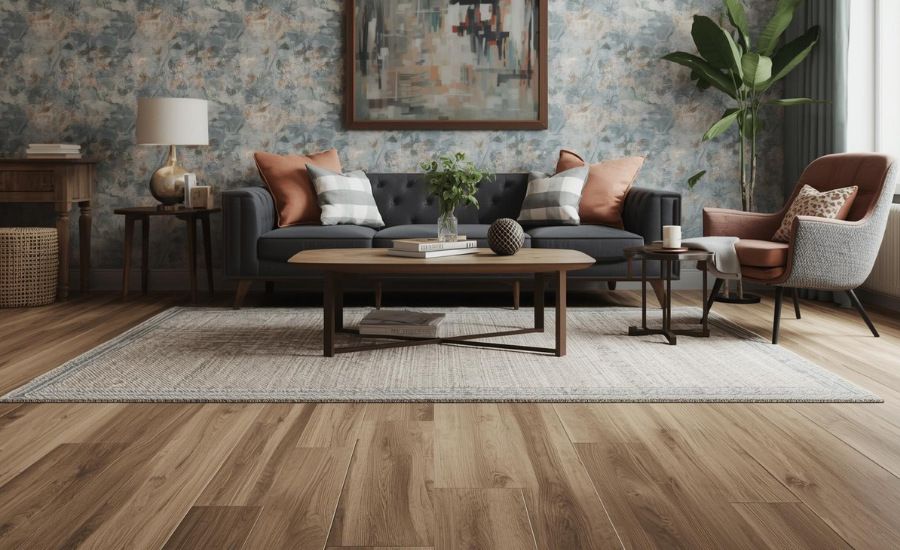
By Vinyl flooring has become a favorite among homeowners and interior designers thanks to its durability, affordability, and wide range of design options. But even the most stunning vinyl floor needs the right styling to bring a room together. The magic lies in how you pair your flooring with rugs, furniture, and wallpapers to create a space that feels intentional, balanced, and beautifully coordinated.
Whether you’ve chosen a classic wood-look vinyl, a sleek marble finish, or bold patterned tiles, this guide will help you design the perfect ambiance for any room.
Pairing Rugs with Vinyl Flooring
Rugs are one of the easiest ways to add warmth, texture, and personality to vinyl floors. They also help define spaces, especially in open-plan homes.
Choose Color Contrasts for Visual Interest
If your vinyl flooring has lighter tones (like ash grey, white oak, or beige), choose darker or patterned rugs for contrast.
For darker vinyl flooring (walnut, charcoal, black marble), lighter or pastel rugs brighten the room effortlessly.
Match Textures with the Room’s Purpose
- Plush rugs → Perfect for bedrooms and living rooms
- Flat-weave rugs → Great for dining areas and busy spaces
- Jute or natural fiber rugs → Pair well with warm wood-look vinyl
Size Matters
A too-small rug can make a room feel cluttered. Choose a rug that anchors key furniture pieces, such as a sofa or dining table.
Pairing Furniture with Vinyl Flooring
Your furniture pieces play a major role in reinforcing or balancing the look of your vinyl flooring.
Match Tones Without Overdoing It
If you have oak-look vinyl flooring, you don’t need all oak furniture. Mix it up with whites, blacks, or metal accents to avoid a monotone look.
Tone-on-tone ideas:
- Light oak flooring → white, cream, or matte black furniture
- Grey flooring → navy, walnut, or chrome accents
- Dark flooring → beige, gold, or light woods
Use Furniture to Complement the Pattern
- Wood-look vinyl: Pair with modern or Scandinavian furniture
- Stone-look vinyl: Matches well with industrial or contemporary designs
- Patterned vinyl: Let the flooring be the star—choose minimal furniture
Elevate the Look with Materials
Combine different materials for a sophisticated finish:
- Velvet sofas with marble vinyl
- Wooden cabinets with grey stone-look vinyl
- Glass center tables with patterned vinyl
Pairing Wallpapers with Vinyl Flooring
Wallpapers set the mood of your space, and when paired well with flooring, the result feels seamless and stylish.
Keep Patterns Balanced
If your vinyl flooring already has bold patterns (geometric, Moroccan, herringbone), choose subtle wallpapers.
For plain or minimal flooring, you can experiment with floral, textured, or statement wallpapers.
Coordinate Color Families
You don’t need to match colors perfectly. Instead, stay within the same palette:
- Beige flooring → earthy green or terracotta wallpaper
- Grey flooring → pastel blues or metallic wallpaper
- White flooring → bold jewel tones
Texture Adds Depth
Textured wallpapers (linen, suede, grasscloth) complement smooth vinyl floors beautifully. They create dimension without overwhelming the space.
Creating a Harmonious Look: Expert Tips
Bringing everything together is where the real art lies.
Use the 60-30-10 Rule
- 60% flooring + walls (main color)
- 30% furniture (secondary colors)
- 10% accents like cushions, décor, and rugs
This ensures a balanced, visually pleasing palette.
Repeat Elements Across the Room
If your vinyl floor has warm undertones, repeat those warm hues in the rug border or furniture legs.
Add Layers for a Cozy Finish
Vinyl floors can sometimes feel flat. Layer rugs, throws, and cushions to add warmth and softness.
Keep Lighting in Mind
Warm lighting enhances wood-look vinyl while cooler lighting suits grey or marble vinyl.
Final Thoughts
Pairing vinyl flooring with the right rugs, furniture, and customized wallpapers can instantly elevate your interiors, making them cohesive, stylish, and inviting. By balancing textures, coordinating colors, and thoughtfully layering your décor, you can turn any room into a beautifully designed space—no interior designer required.