

 By
By The logistics industry is experiencing a digital transformation, and one of the areas witnessing significant advancements is the container freight station. As global trade volumes continue to grow, businesses are increasingly relying on technology-driven solutions to streamline cargo handling, improve operational efficiency, and enhance customer satisfaction.
A modern container freight station is no longer just a storage and cargo consolidation facility. It has evolved into a smart logistics hub where automation, data analytics, and real-time monitoring work together to optimize every stage of the supply chain.
The Growing Importance of Technology in Logistics
International trade demands speed, accuracy, and transparency. Traditional manual processes often lead to delays, documentation errors, and inefficiencies that can disrupt supply chains. To address these challenges, container freight station operators are adopting advanced technologies that enable faster cargo processing and better resource management.
By leveraging digital tools, freight stations can handle larger cargo volumes while maintaining high levels of accuracy and operational control.
Automation Enhancing Cargo Handling
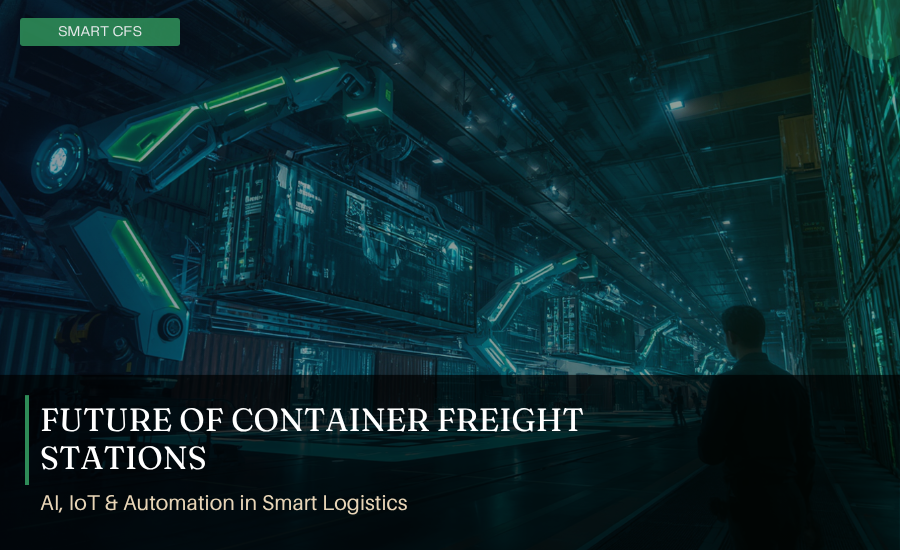
One of the most impactful technological developments in a container freight station is automation. Automated equipment and cargo handling systems help reduce manual intervention and improve productivity.
Automated container tracking, cargo sorting systems, and digital inventory management tools enable operators to process shipments more efficiently. These systems minimize human errors and ensure that cargo is stored, retrieved, and dispatched with greater precision.
Automation also helps reduce turnaround times, allowing freight stations to accommodate increasing trade demands without compromising service quality.
Real-Time Tracking and Visibility
Visibility has become a critical requirement in modern logistics. Businesses want to know the exact location and status of their shipments at any given time.
Advanced tracking technologies, including GPS and Internet of Things (IoT) devices, provide real-time updates on cargo movement within a container freight station. These systems allow logistics managers, shipping companies, and customers to monitor shipments throughout the handling process.
Improved visibility reduces uncertainty, enhances planning capabilities, and enables faster responses to unexpected disruptions.
Digital Documentation and Paperless Operations
Documentation is a crucial part of cargo movement, but traditional paperwork can be time-consuming and prone to errors. Many container freight station operators are now implementing digital documentation systems to streamline administrative processes.
Electronic bills of lading, digital customs documentation, and automated record-keeping systems significantly reduce paperwork and processing times. These digital solutions improve accuracy, accelerate approvals, and facilitate smoother communication among stakeholders.
Paperless operations also contribute to environmental sustainability by reducing paper consumption and supporting eco-friendly business practices.
Artificial Intelligence for Smarter Decision-Making
Artificial Intelligence (AI) is transforming the way container freight stations operate. AI-powered systems can analyze large volumes of operational data and generate valuable insights for decision-making.
For example, AI can help forecast cargo volumes, predict peak operational periods, and optimize workforce allocation. By identifying patterns and trends, freight station managers can make proactive decisions that improve efficiency and reduce operational costs.
AI-driven predictive maintenance also helps prevent equipment failures by detecting potential issues before they cause disruptions.
Improved Security Through Advanced Technology
Cargo security remains a top priority for every container freight station. Modern security solutions combine surveillance systems, biometric access controls, and smart monitoring technologies to protect valuable shipments.
High-definition cameras, automated gate management systems, and real-time alerts help identify potential security threats quickly. These technologies not only safeguard cargo but also improve compliance with international trade regulations.
Enhanced security measures build trust among customers and contribute to smoother trade operations.
Data Analytics Driving Performance
Data has become one of the most valuable assets in logistics. Advanced analytics platforms enable container freight station operators to evaluate performance metrics, identify inefficiencies, and optimize processes.
By analyzing cargo movement patterns, storage utilization, and equipment performance, operators can make informed improvements that increase productivity and reduce costs. Data-driven decision-making helps create more agile and responsive logistics operations.
Conclusion
Technology is revolutionizing the way a container freight station operates. From automation and real-time tracking to artificial intelligence and digital documentation, innovative solutions are enhancing efficiency, security, and operational visibility across the logistics sector.
As global trade continues to evolve, technology-driven container freight stations will play an increasingly important role in supporting seamless cargo movement and strengthening supply chains. Businesses that embrace these advancements will be better positioned to meet customer expectations, improve operational performance, and thrive in a highly competitive global marketplace.